The Dalli 911 was born in Marbella, on the Costa del Sol of southern Spain, the brainchild of car-loving British-Italian entrepreneur and racing driver Nicholas (Nicky) Dalli. Nicky’s late father was the redoubtable Toni Dalli, a well-known Italian singer from Pescara who emigrated to England in the 1950s and made his fame and fortune there and in the U.S.
A guest singer on the Ed Sullivan Show in the 1960s in New York, Toni went on to give major performances at the Moulin Rouge, Hollywood, and the Desert Inn, Las Vegas. With a string of one-man shows at the Royal Albert Hall, Carnegie Hall, and the Hollywood Bowl, he had recording contracts with EMI, Capitol, and Decca.
Toni and family moved to Marbella in 1972, and in 1975, he opened the Toni Dalli Italian Restaurant on Marbella’s Golden Mile. Sir Sean Connery, who had been Toni’s flatmate in London, moved to Marbella in the late ’70s, where they renewed their friendship and played golf together.
A passionate Ferrari owner, Toni had good connections at Maranello and founded the local Ferrari Owners Club of Andalucia, which he presided over until his passing in 2021. Thus, Nicky grew up surrounded by Ferraris, and while his first car was a Lancia Delta Integrale, he bought his first Ferrari, a 328 GTS, when he was just 21 years old.
Nicky entered the world of motorsport in 1998, starting with the Spanish Touring Car Championship, and two years later, he competed in the Spanish GT Championship with a 993-generation 911 Carrera. The following year, Nicky shared a 993 GT2 with Klaas Zwart, whom he helped with the planning and construction of his Ascari Race Circuit. Nicky raced in the 2003 Euro Formula 3000 Championship with Traini Corsa, and then the EuroBOSS 3000 Series for ex-Formula One cars, where he achieved podium finishes.
By 2024, as a successful property developer with grown-up kids, Nicky had an automotive epiphany. As with many drivers brought up before the electronics age, he felt that today’s supercars are both too fast for public roads and also isolate their drivers from the full spectrum of road feedback. The old ‘seat of the pants’ feel, or ‘popometer’ as German enthusiasts call it, has been compromised.
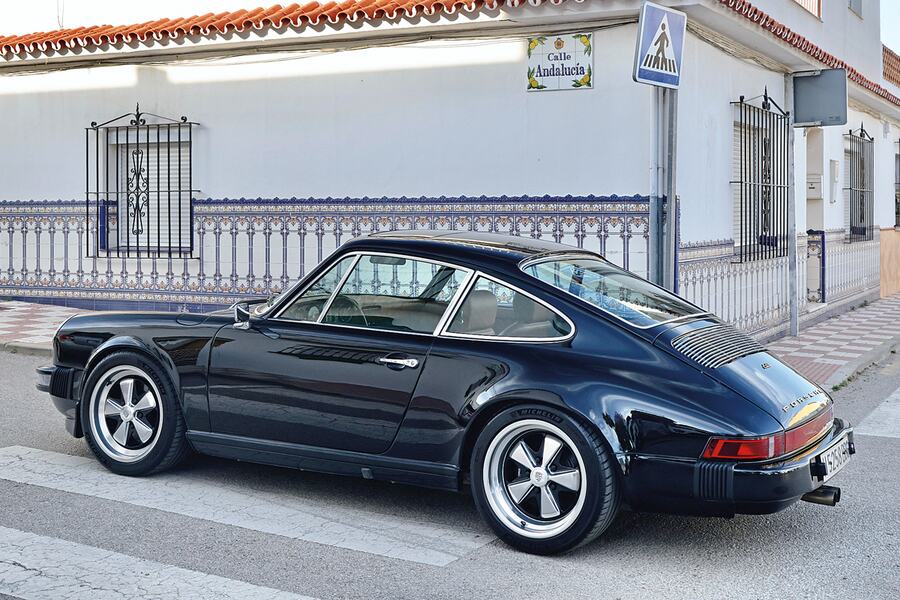
“Modern 911s have become too big and full of sophisticated systems that make them better cars overall, but less involving for the purist driver,” Nicky lamented. “I wanted to create a machine I could use as a daily driver as well as a fun car for a weekend blast in the hills.”
Even without reference to what various Porsche tuners and resto-mod companies have been doing in recent years, Nicky realized that the compact size and relatively low weight of the 1978 911 3.0 SC he had owned for many years made it the perfect donor car for what he had in mind.
The Rundown
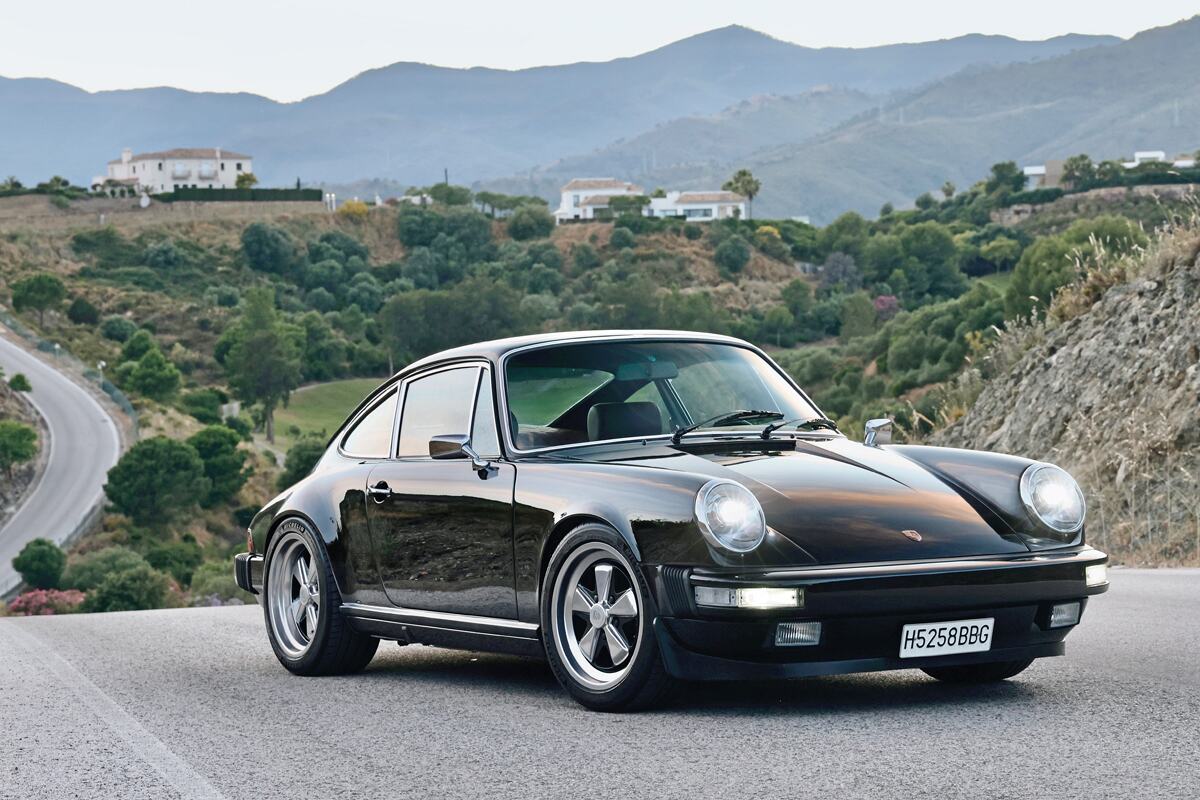
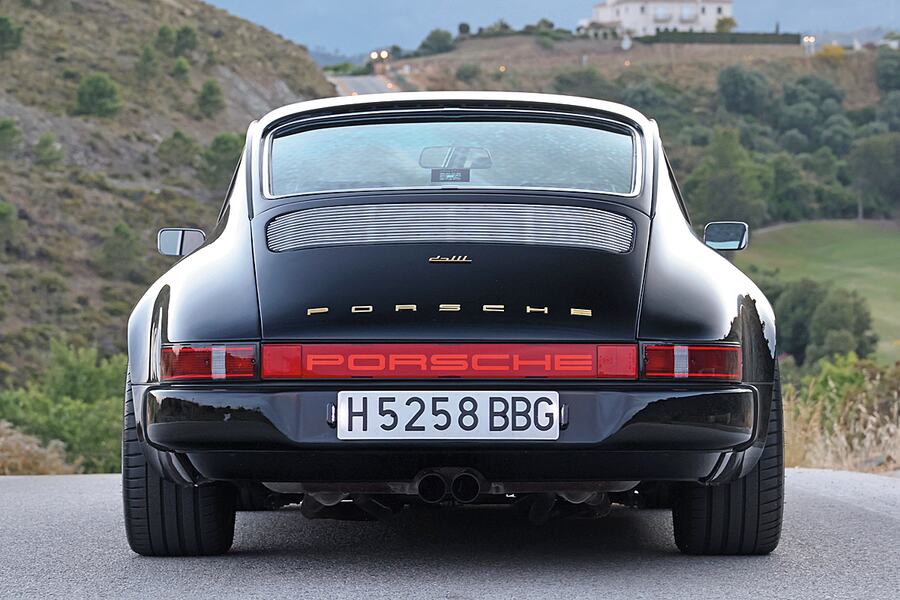
After hatching a game plan with the small group of trusted local specialists, work began on Nicky’s 3.0 SC, which was stripped back to a shell and repainted. The heavy factory impact bumpers that tip the scales at a combined total of 110 pounds at the extreme ends were replaced with much lighter bespoke glass-reinforced plastic (GRP) units over the crash bars. At first glance, these look stock as they retain the factory rubber bellows, but on closer inspection, you realize their contours are modeled after 911 RSR bumpers.
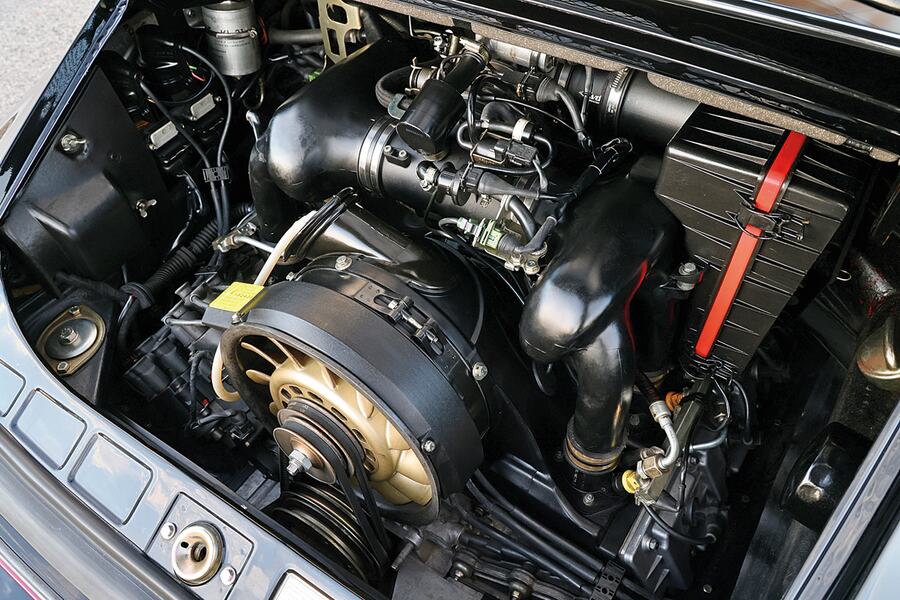
Weight saving was also very much in mind when the specification for the mechanical build was being written. The 3.6-liter M64 engine chosen for this project is heavier than the 3.0 SC powerplant, while the G50 gearbox that matches the 964 engine weighs 26 pounds more than the SC’s 915. Thus, it was decided to keep the 915 gearbox and beef up its internals with steel synchros to handle the extra power and torque, while the shift quality was improved with poly bushings. A Quaife torque-sensing limited-slip differential was installed to optimize traction and handling.
With a climate similar to Southern California, Marbella’s summer temperatures make air conditioning a must. The optional factory air conditioning used by Porsche in the 1970s and ’80s was pretty weak, and this car did not have it anyway. Looking at all options, Nicky went for the 21st-century electric air conditioning developed by Jonny Hart at Classic Retrofit in England.
Hart has a 1981 911 3.0 SC himself and developed the system on his car, and then followed on with systems for the F-Series, 964, and 993 models. Unlike the engine-driven factory systems, the Classic Retrofit electric A/C is mounted in the front luggage bay and does not sap engine power. With a modern 175-amp alternator providing more than enough juice at idle speed to run the A/C on full blast at the stop lights, the system keeps occupants cool even in the height of summer. I tested the prototype system in Hart’s own car in England back in 2017, and was impressed to see 43 degrees Fahrenheit at the vents on the thermometer after a few minutes.
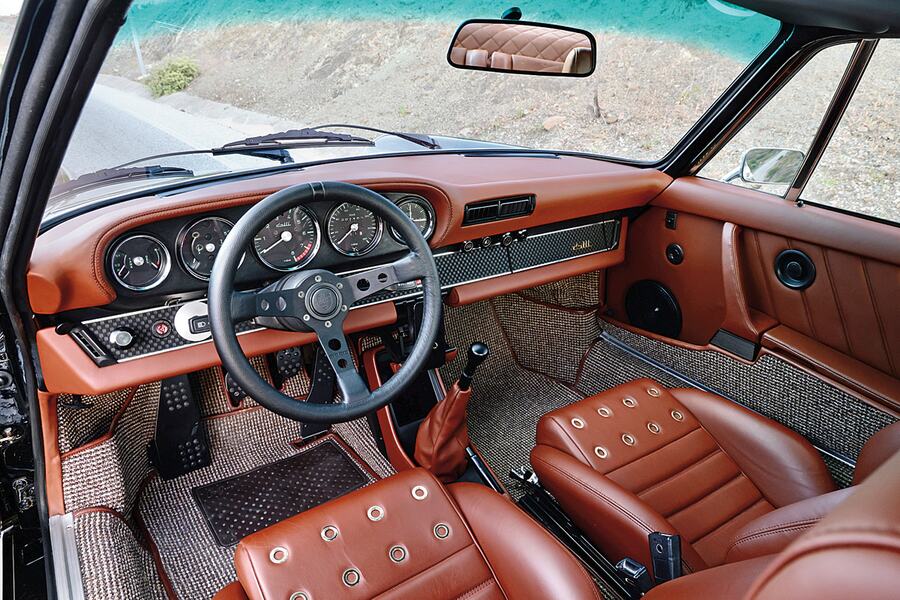
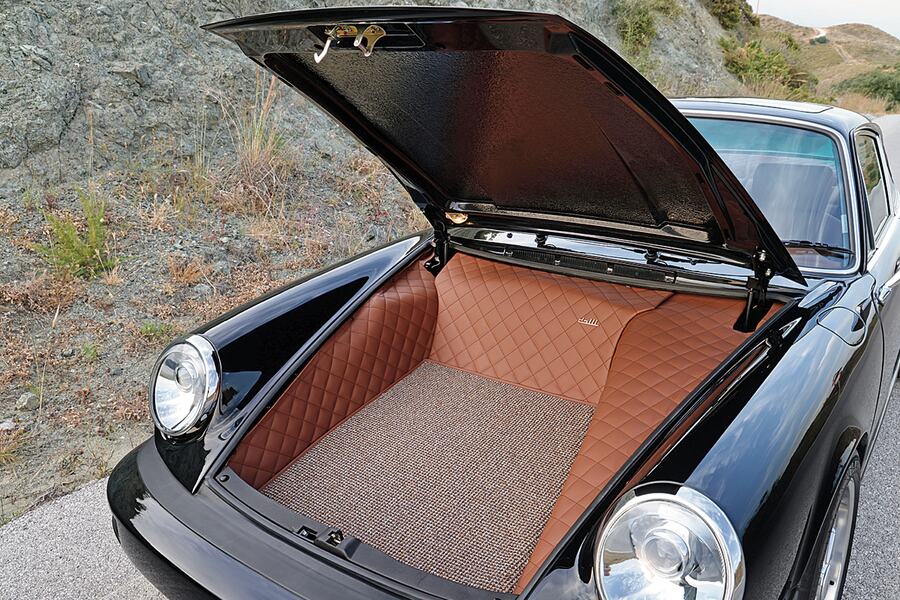
Sitting cool in the Dalli 911’s beautifully trimmed cabin, I was impressed with the balance between sport and luxury achieved by a local Spanish craftsman whom Nicky describes as slightly eccentric. From the Houndstooth carpets to the Nappa leather upholstery on the seats, dashboard, and door panels, he has done a great job. To keep everything at a consistently high level, the Nappa leather trim is also carried over to the luggage compartment.
On the Road
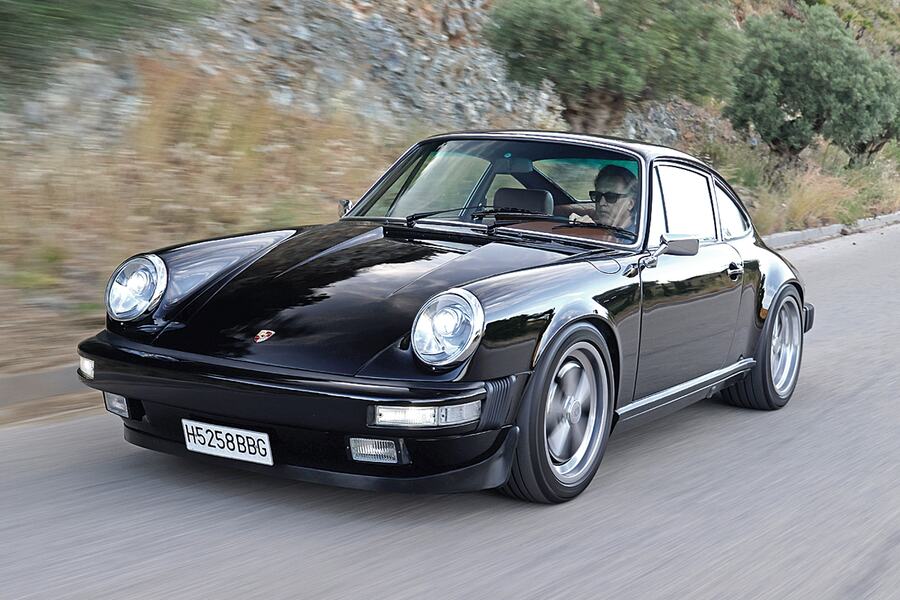
We started the test drive from a parking area on Marbella’s Golden Mile, a short distance from where the iconic beachfront Toni Dalli restaurant once was. With the tuned 964 3.6-liter flat-six still in its warm-up cycle, it was immediately apparent that low-speed tractability was every bit as good as you expect from a modern 911. The relatively modest 2,380-pound curb weight, coupled with the massaged 3.6-liter engine, gives the Dalli 911 creamy smooth torque delivery from under 2,000 rpm, making third gear usable at urban speeds.
With the oil warmed through now, the revamped 3.6 flat-six showed itself to be a great partner for the lighter SC platform, revving freely past 6,500 rpm with a gusto that the standard engine in a 964 Carrera 2 or 4 hints at but does not quite deliver.
Over the years, I have driven a number of four-seater sedans and coupes that share their engines with lighter sports cars, and the outcome has always been transformational in a good way. For instance, the 134-hp 1.8-liter Toyota Celica GT engine felt slightly lethargic in the 2,425-pound Toyota, but transformed into a high-strung firecracker in the 1,929-pound Lotus Elise S.
The same is true for the 964 Carrera engine in the Dalli 911 SC, whose approximately 600-pound lower curb weight compared to a Carrera 2 is equivalent to three adult passengers! Sourced from a crashed 964, the 3.6-liter flat-six was stripped down and rebuilt with new parts where necessary. The free-revving character also benefits from a lighter flywheel and a more modern mass air flow (MAF) sensor replacing the original air-flow sensor. A bit of rewiring had to be done here as the original unit works on 5 volts while the MAF sensor requires 12.
Heading out of town toward the Andalusian hills, I could finally give the flat-six its head. The M64 engine delivers a progressive, addictive push in the back as revs climb, bursting with mid-range thrust past 4,000 rpm and backed by the deeper, rortier note of the bespoke exhaust.
The road winding from Marbella to Monda offers two uphill lanes—ideal for leaning into medium-radius sweepers. The torque-rich delivery allows you to balance the chassis effortlessly on trail-braking, while the lowered ride height and Bilsteins keep body roll in check. Throttling up smoothly past the apex, the car feels exceptionally cohesive.
With the Bilstein dampers sharing the bump and rebound work with the stock torsion bars, the ride height is set 30 mm (1.2 in.) lower than stock. Another tried and tested upgrade is the 930 Turbo tie-rods that provide better steering feel. The fast-road suspension geometry setup dials in 1.5 degrees of negative camber for improved turn-in and straight-line stability. Using both lanes on a race line, with a late apex to set the car up perfectly for the next bend, the Dalli 911 feels nicely bolted down.
The firm and well-controlled ride has no lost motion, and while the secondary ride is taut over short, sharp bumps at low speeds, it smoothes out nicely as you go faster, with the taut damping that felt a bit firm at town speeds now coming into its own with iron-fisted control.
The brake pedal controls a set of 930 Turbo rotors and calipers, a common upgrade and a perfect match for the newfound power. Unlike some aftermarket brake conversions, these factory stoppers fit perfectly behind the 17-inch Fuchs-style wheels (an upsize from the stock 16s) measuring 7.0J and 8.0J and wrapped in 225/45ZR-17 and 255/40ZR-17 Michelin Pilot Sport 4 rubber. The extra inch of diameter visually fills out the wheel arches, giving the car its tougher, more purposeful stance while perfectly matching mechanical grip to the grunt of the near 300-hp six.
With electric air conditioning, LED front and rear lights, a discreet high-power audio system with Bluetooth and USB inputs, mid-range speakers and tweeters in the doors, and a subwoofer under the passenger seat, the Dalli 911 has enough modern conveniences to be a practical daily driver. And to preserve exclusivity and ensure the very best quality and personal attention for clients in the way that bespoke haute couture clothing is created, Dalli will only build four cars a year.
The Verdict
The Dalli story is a great background to a new marque inspired by the passion of a car enthusiast who grew up in a family steeped in show business, fine cuisine, and motorsport. The result is an engaging, tailor-made antidote to today’s larger and heavier electronics-laden 911s.